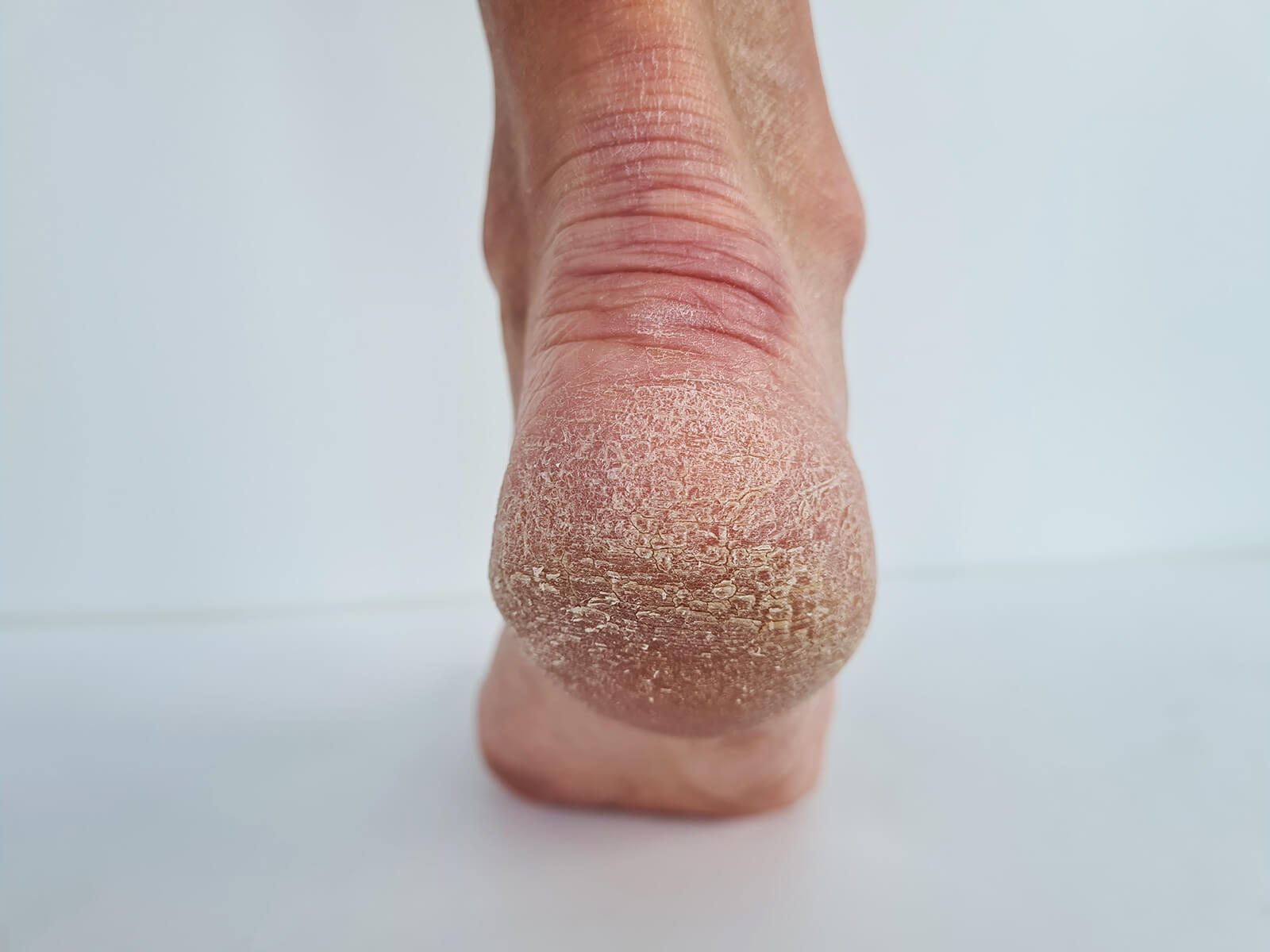
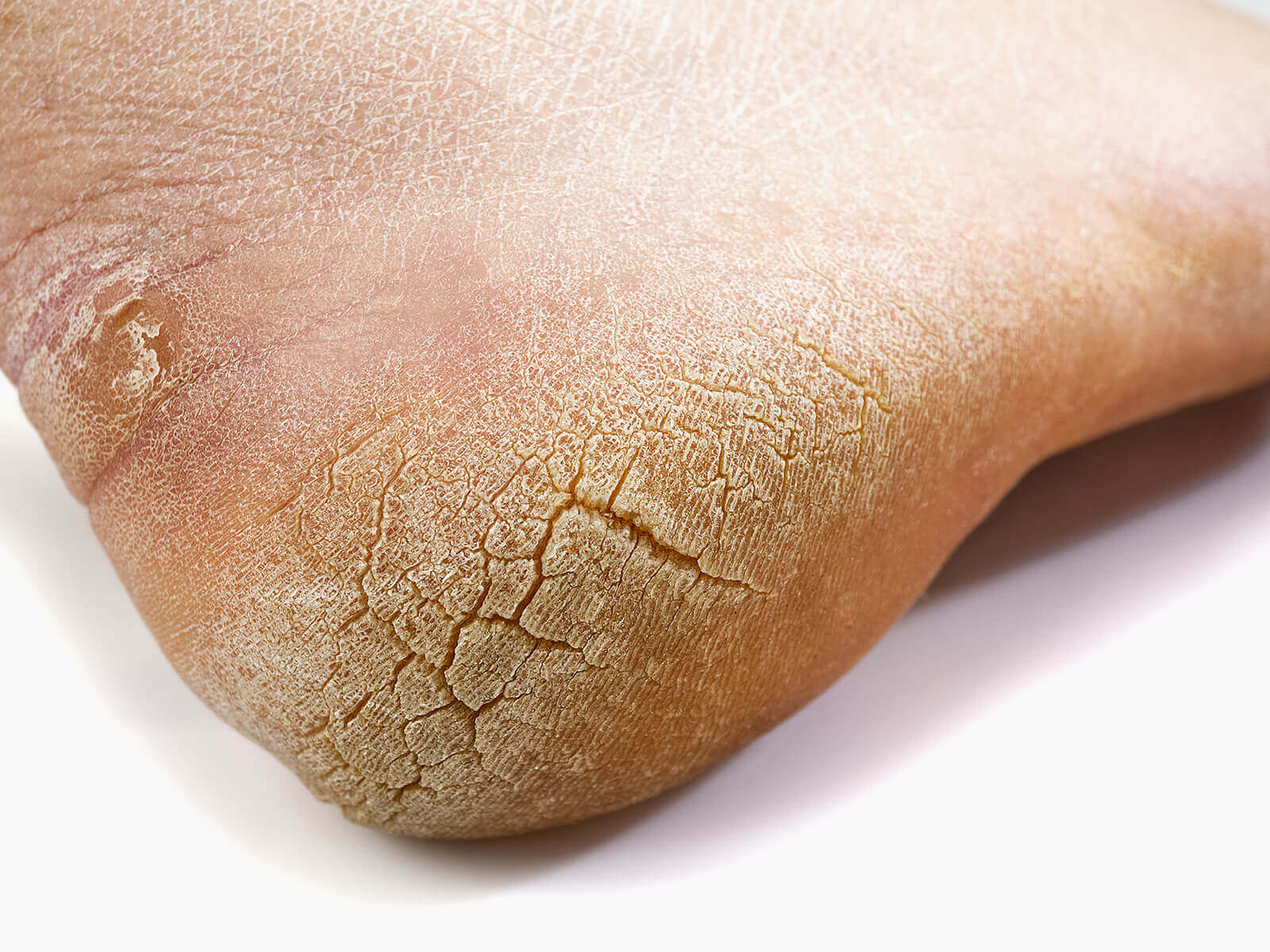
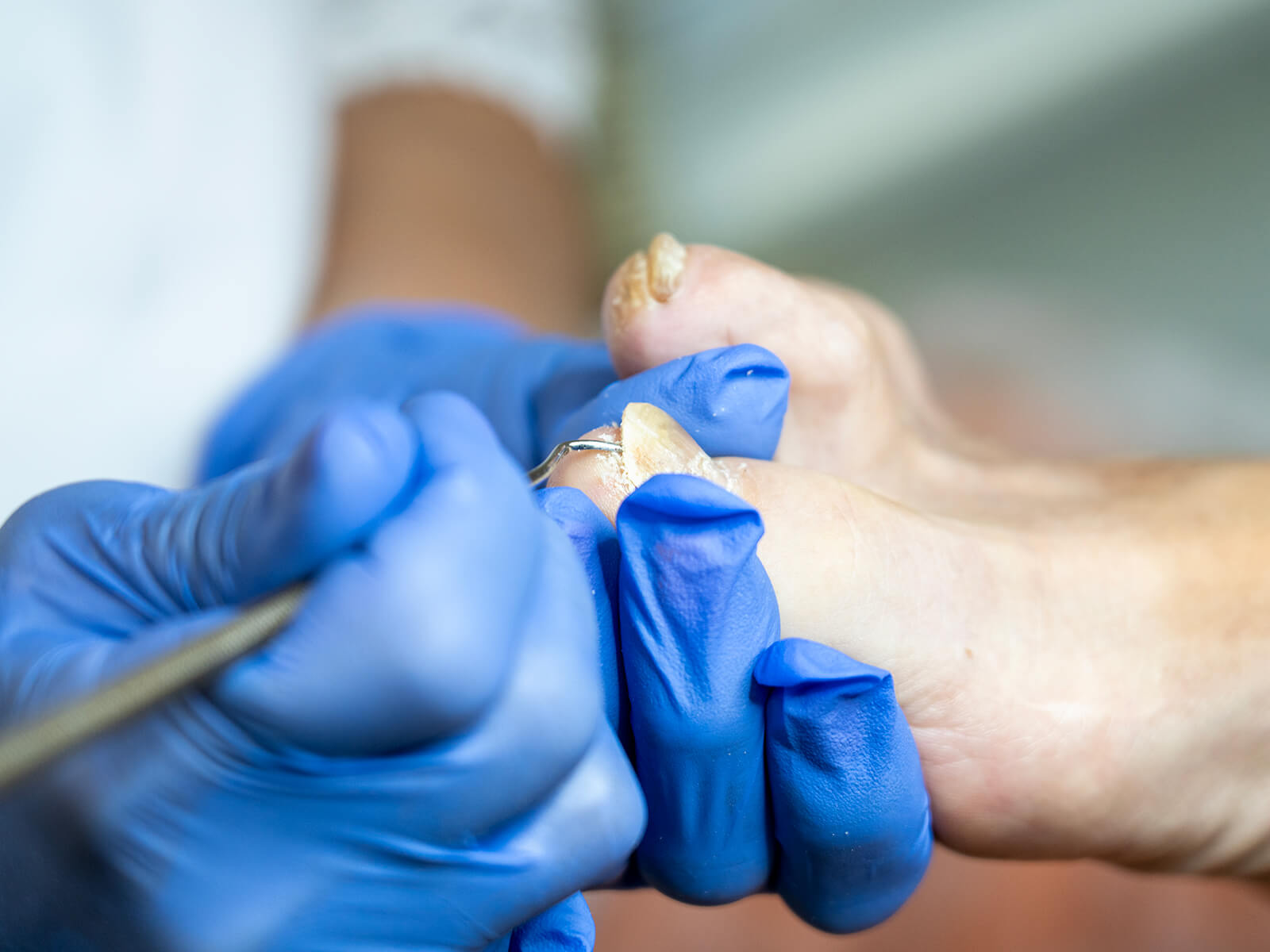
A callus is a patch of hard, thickened skin. Often appearing yellow in colour (skin tone dependent) – often rough to touch. While a small bit of callus may not cause you any bother, they can become inconvenient and cause discomfort when standing or walking for a long time.
How does it happen?
Calluses form due to pressure or friction – improper fitting footwear being a common reason for the build-up, another reason for callus formation is the way we walk. The way our foot makes contact with the ground, or an abnormal walk (or gait) can be a contributing factor which can lead to callus formation. Common places we see callus is on the edges of the big toes, outer sides of the feet (lateral boarders), over the big toes and the heels. Some people have calluses on the ends of their big toes.
Another common reason for callus build up is because of bone deformities. Common conditions like bunions, hammer toes and a high arch is a common reason for a build up of hard skin and callus. Other conditions which cause calluses include diabetes, rheumatoid arthritis and neuropathy.
If left untreated, callus can cause discomfort, pain and even splits in the skin (fissures), which can become problematic and lead to bleeding or infections.
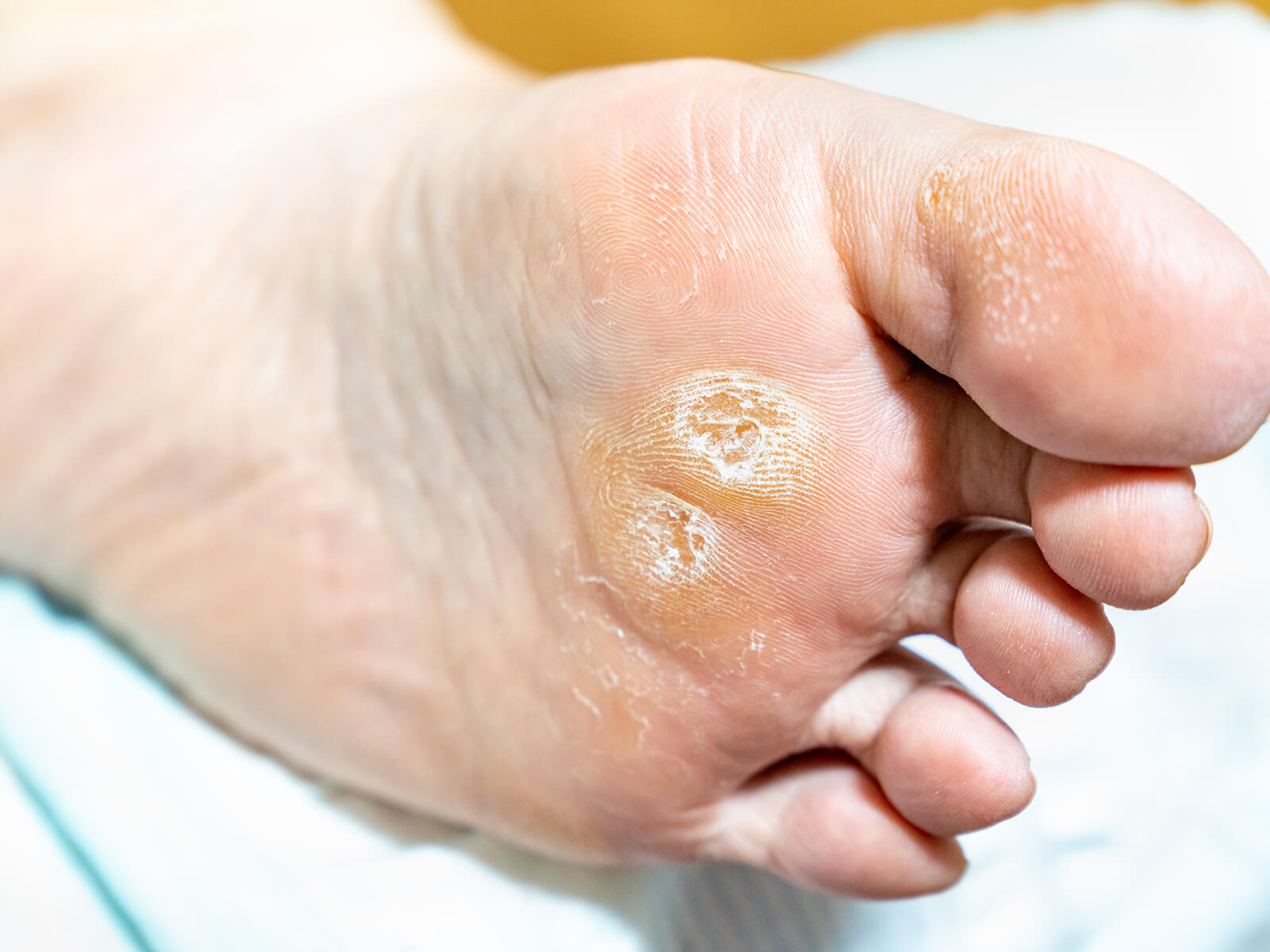
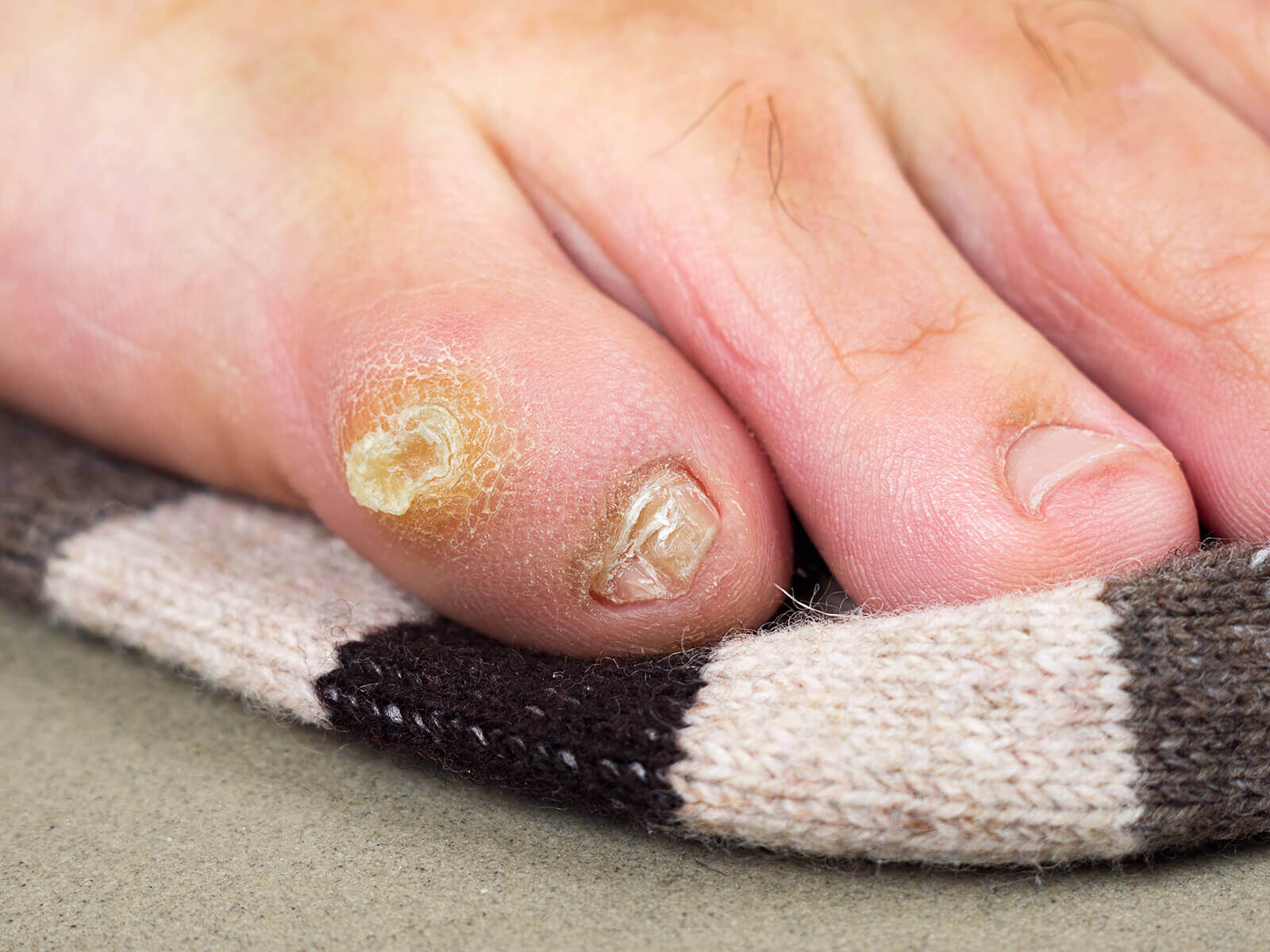
Corns are small (sometimes big) areas of hard skin which funnel back into the foot.
People often describe it as ‘walking on a hard or sharp stone’ – sometimes can even feel like ‘walking on glass’. They cause both pain and pressure, making them extremely uncomfortable.
There are several types of corn; hard corn (usually found on the soles of the feet), soft corns (usually found interdigital), seed corns (usually found on the boarders or the heels of the feet) and neurovascular corns – the origin and diagnosis of this corn is often up for debate… But we can let our Podiatrists advise you accordingly.
Why do corns happen?
A formation of a corn, is a result of direct pressure – almost like the foot is in protest.
Common reasons for the development of a corn include;
Foot deformities
How you walk / your gait
Poor fitting footwear
Conditions which affect your body – for example diabetes, or arthritis. Other reasons could be hereditary foot shapes.
Much like calluses, if left untreated, corns can become very problematic, from pain, to infection and worst cause scenario – ulcerations.
Yes - Podiatrists are also insured to cut fingernails!
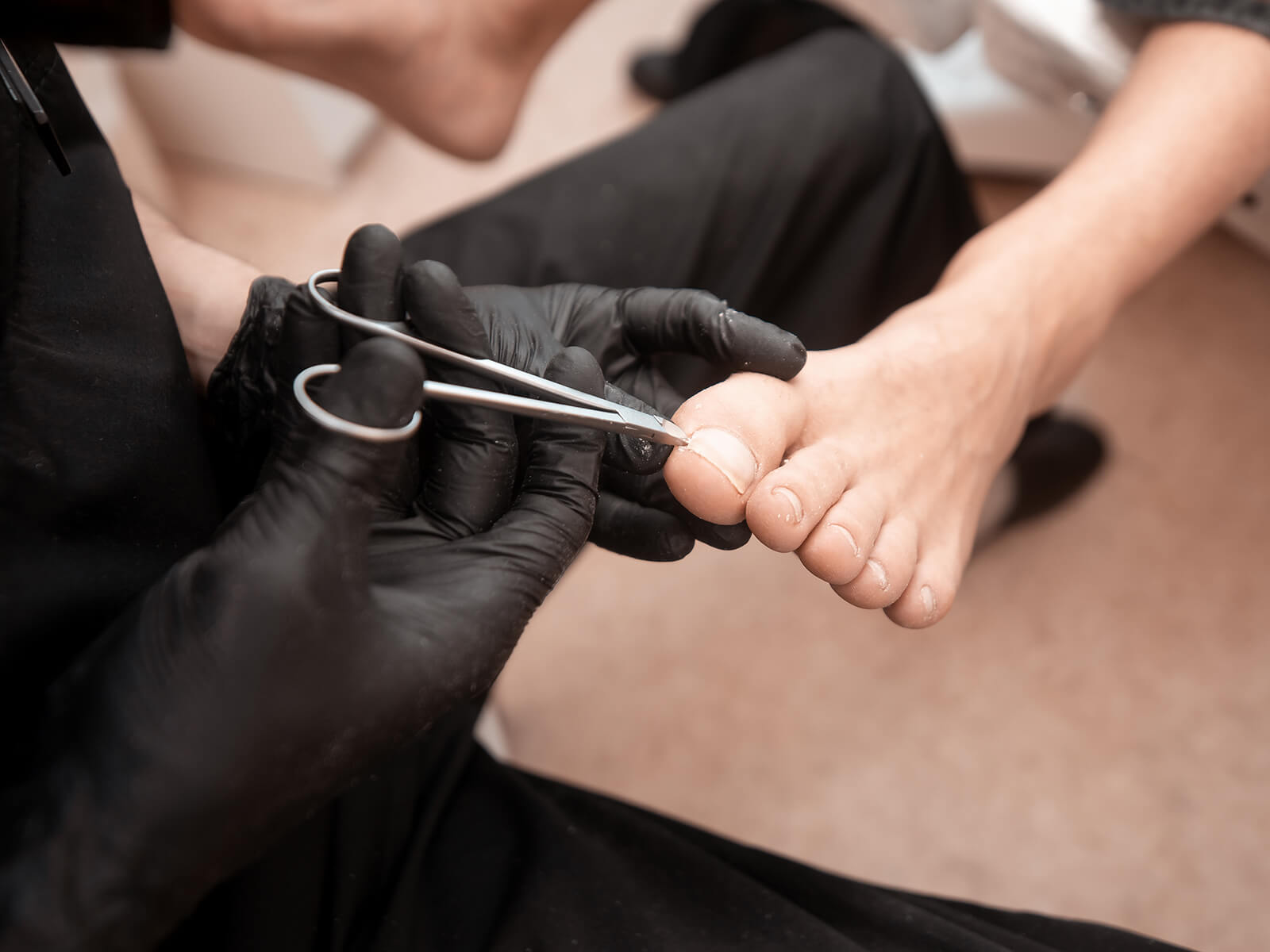
We are completely insured to also cut fingernails. Podiatrists have the tools, and we can allow the time. If you are struggling with tough fingernails – let us know and we are happy to cut them for you.
Fungal nail infections are a common condition that can cause nails to become thickened, discoloured, brittle, or misshapen.
While often not painful at first, they can worsen over time if left untreated. Our podiatrists provide expert advice on managing fungal nails, including treatment options, nail care techniques, and hygiene practices to prevent the infection from spreading or recurring. We will guide you through the most effective solutions based on the severity of your condition, helping you restore healthier nails with confidence.
Both of our Podiatrists are proficient and experienced in nail surgery.
What is this service you might ask? Well, let us explain. Sometimes our nails (for various reasons), whether it be trauma, fungal, tight footwear or simply it just being the nail shape… (the list is endless), can indeed, in-grow.
Here at West Wales Podiatry we offer a service which removes part of, or the whole nail if required.
The procedure takes roughly one hour, and involves a local anaesthetic injection to numb the toe. Once the toe is numb, we are able to take a small portion (the problematic) bit of the nail away, and add a chemical to stop this nail from regrowing.
While this might seem drastic to some… for those who have ever experienced an ingrowing nail, will tell you how painful and problematic they actually are. Therefore, rather than continue with the pain of the nail growing in and the risk of infection, the nail is removed and you can carry on with your day-to-day activities, in-growing nail, free!